Overview
Gemini incubation team: Served as the sole designer in an agile R&D team alongside one PM and a group of AI engineers and developers. Delivered design proposals that moved from concept to shipping within weeks, provided the UX point of view for the Google AI roadmap, and led technical workshops at team summits.
Research & strategy: Integrated existing UXR data into the incubation process and facilitated new studies (in collaboration with UXR) to drive data-backed design decisions. Generated research materials for AI white papers and translated technical model constraints into product vision.
Core AI features: Built the interaction models for Gemini across VS Code, GitHub, and GitLab. Focused on moving beyond standard chat interfaces into in-line and agentic workflows to increase developer velocity across multiple steps of the SDLC.
Product led growth: Designed the onboarding and discovery flows for Gemini across web and third-party IDE ecosystems, directly increasing MAU and ensuring cross product transitions are as seamless as possible.
DevOps lead: Acted as the lead designer for Cloud DevOps tools, Artifact Registry, Artifact Analysis, Cloud Build, and Cloud Deploy.
Terminal based tools: Served as the primary design expert for Gemini CLI integrations and the gcloud console, ensuring complex terminal-based tools remained accessible and human centric as we added in new functionalities, features and other horizontal workflows.
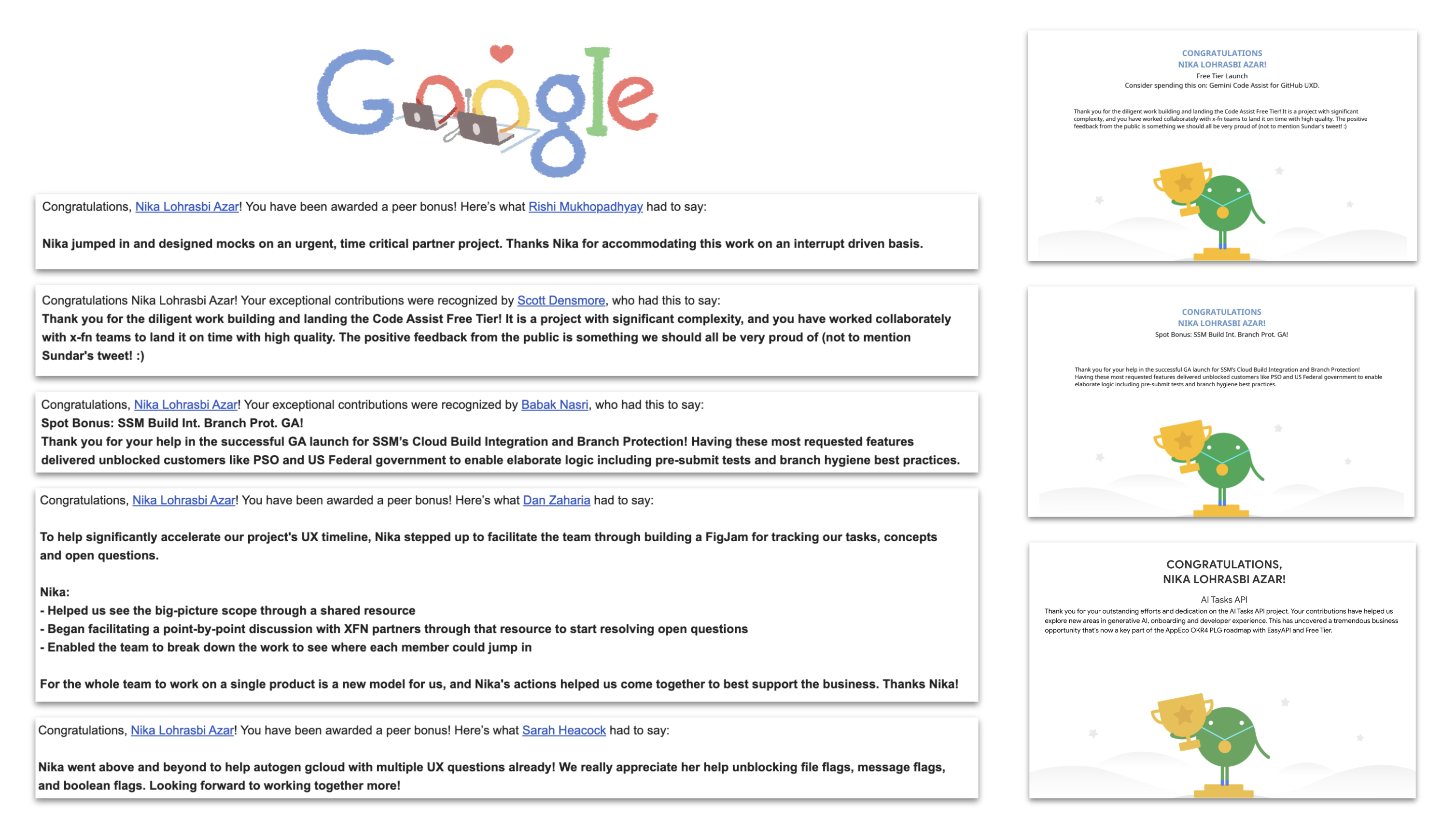
Recognition: Received 3 spot bonuses, 5+ peer awards and multiple kudos for delivering high-impact features under aggressive timelines.
Gemini Integrations
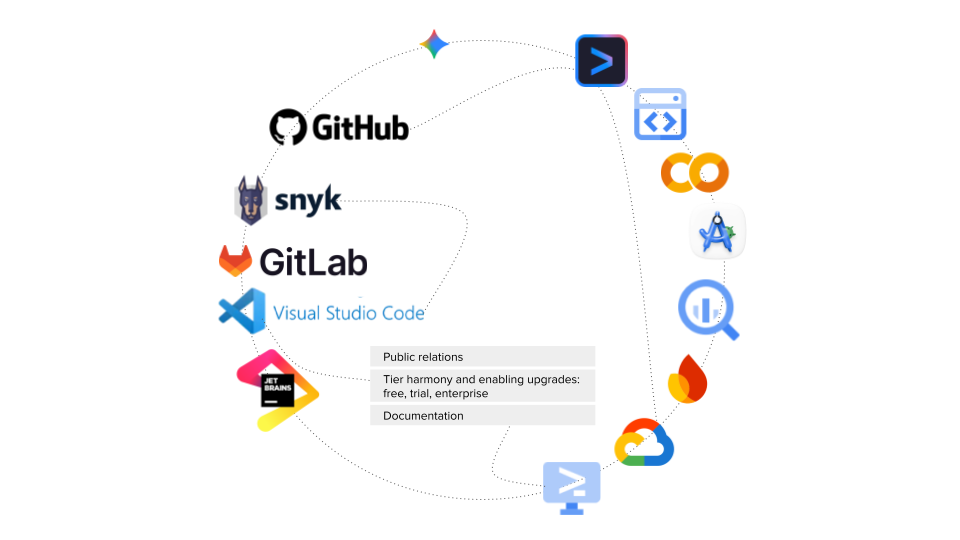
How do we integrate a powerful, new AI model (Gemini) into existing developer workflows and enterprise tooling (VS Code, GitHub, GitLab, etc.) to drive adoption and prove value?
How do we incorporate other tools and agents into the Gemini ecosystem to close workflow gaps, create convenience for the user and ensure seamless transition and upgrade workflows?
Parallel:
Product lead growth strategy and OKR metrics ownership:
How do we increase monthly active users?
How do we balance tech debt, user feedback and shiny new features?
How do we ensure MVPs are steps toward ideal?
How do we set ourselves up to scale in the future?
How do we ship quality and well tested products while meeting external commitments and beat competitors?
I was the UXD owner for the following projects:
Video: Introducing Gemini Code Assist Enterprise
Video: Secure your generative AI developer workflow with Snyk and Google Cloud
Video: Accelerate your code reviews with Gemini Code Assist in GitHub
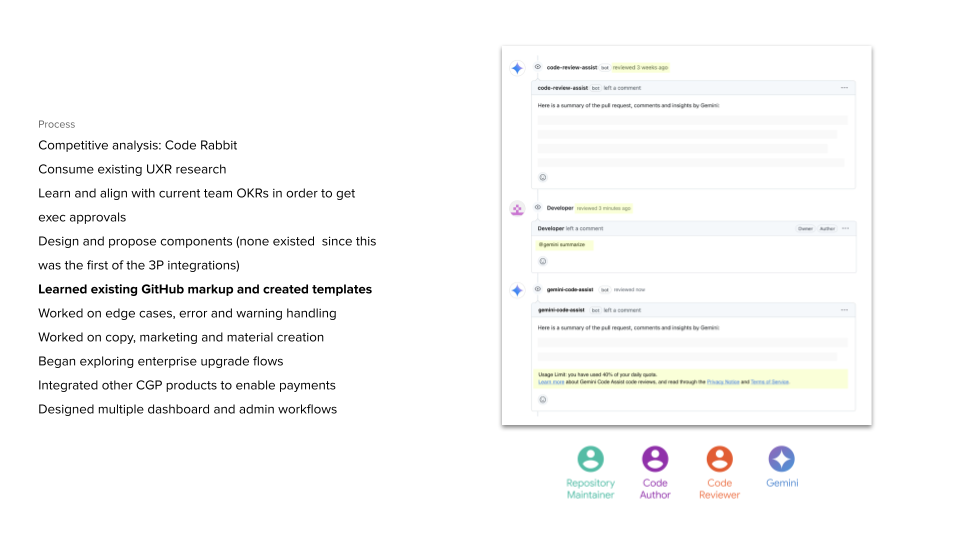
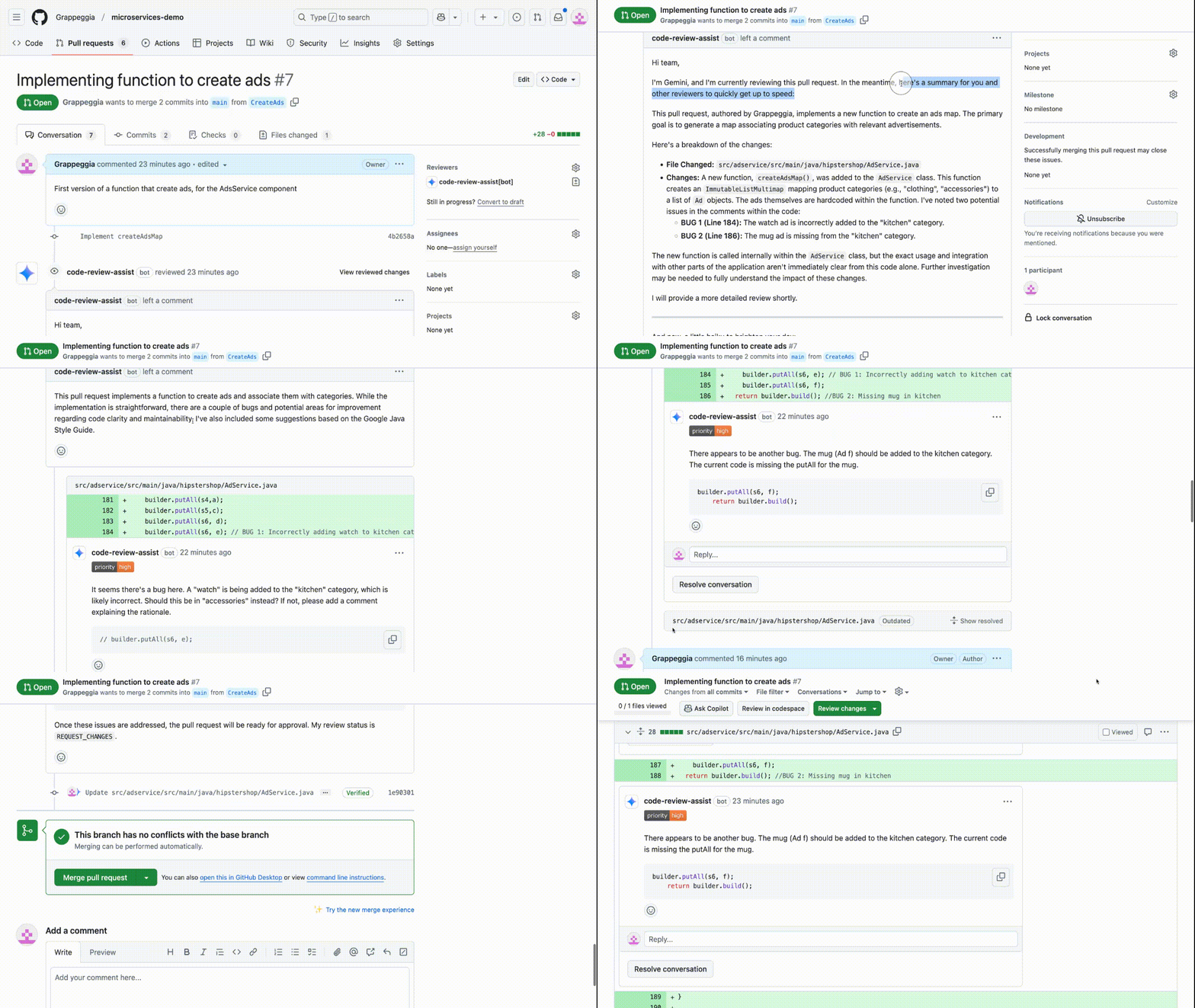
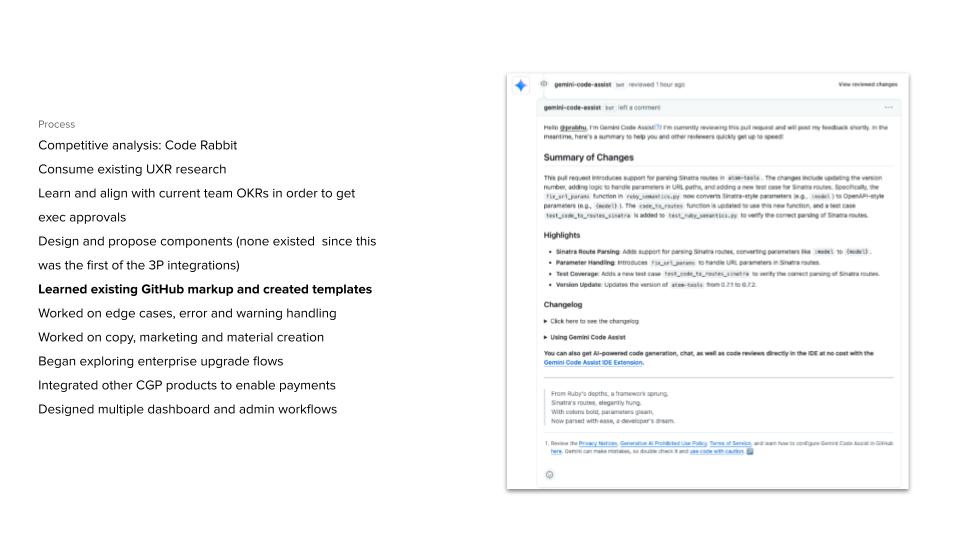
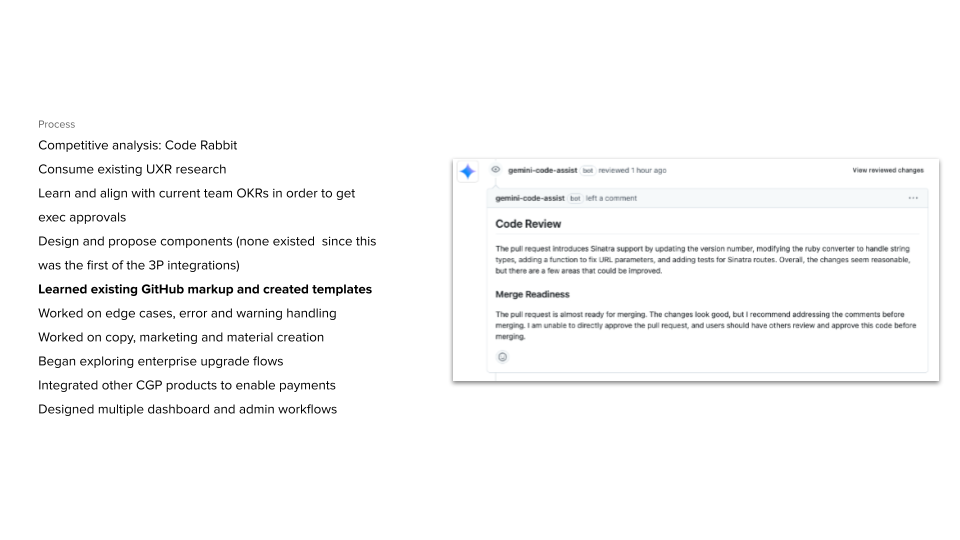
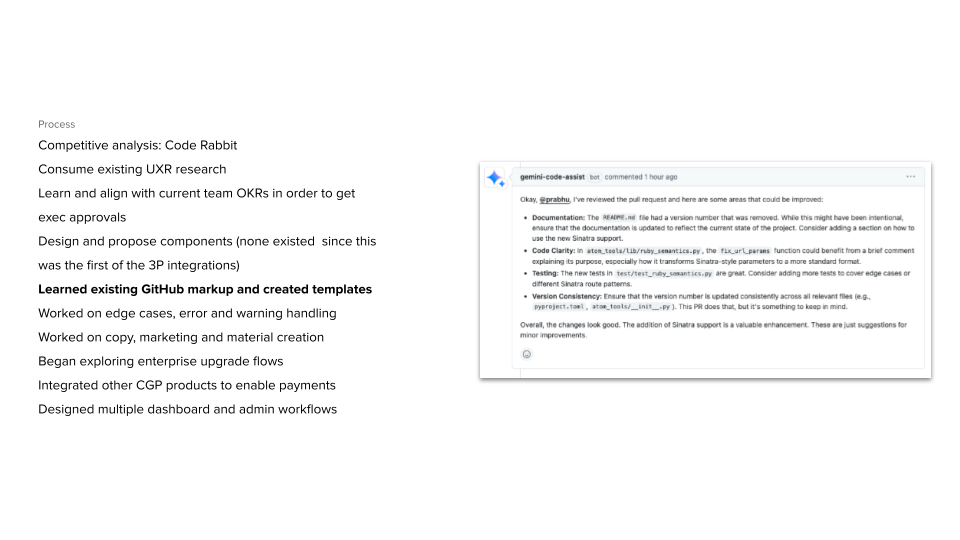
Gemini x GitHub integration
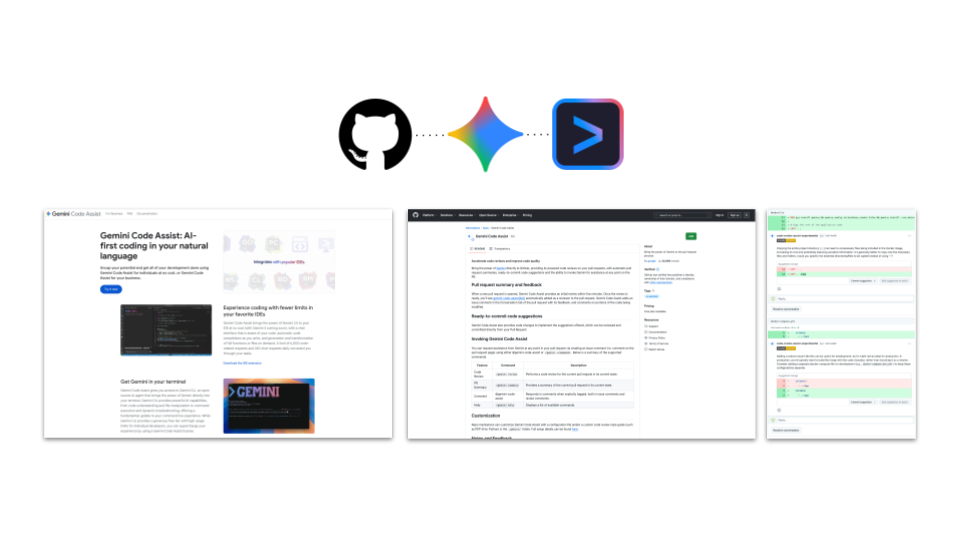
Integrate Gemini Code Assist in GitHub pull requests, integrate Gemini CLI in GitHub pull
requests and issues. Enable users to upgrade from free to the enterprise tier. Cross expose
Gemini VS Code extension and GitHub integration entry points to navigate users and increase
usage for both.
Problem
Developers needed AI assistance where they work, but fragmented, siloed experiences meant low adoption.
Goal
Design a unified, secure interaction model for Gemini across major IDEs and 3P services.
Success Criteria
Increase Gemini's Monthly Active Users (MAUs) and meet our organization's annual OKRs.
Other metrics included acceptance rate, time to complete tasks, cyclomatic complexity, developer satisfaction surveys, documentation quality, etc.
Worst case scenarios
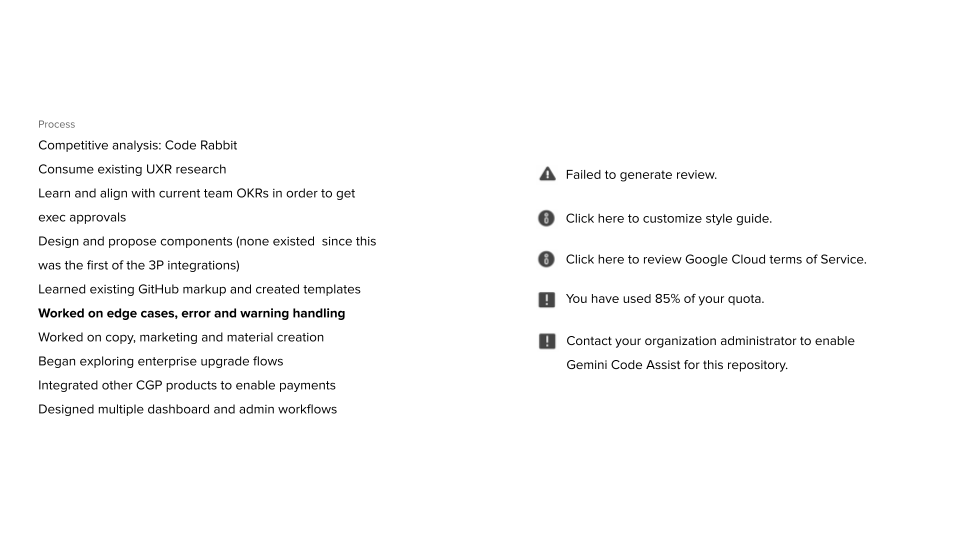
Important security concerns are overlooked due to unclarity and poor error handling of products.
User has to sign in for each Gemini product individually.
Settings, preferences and customizations are not saved across products and it’s not communicated.
Affordances, errors, messages are not consistent across products.
User loses progress and personalizations when they upgrade.
User trust is not earned due to lack of agent communication and hasty workflows.
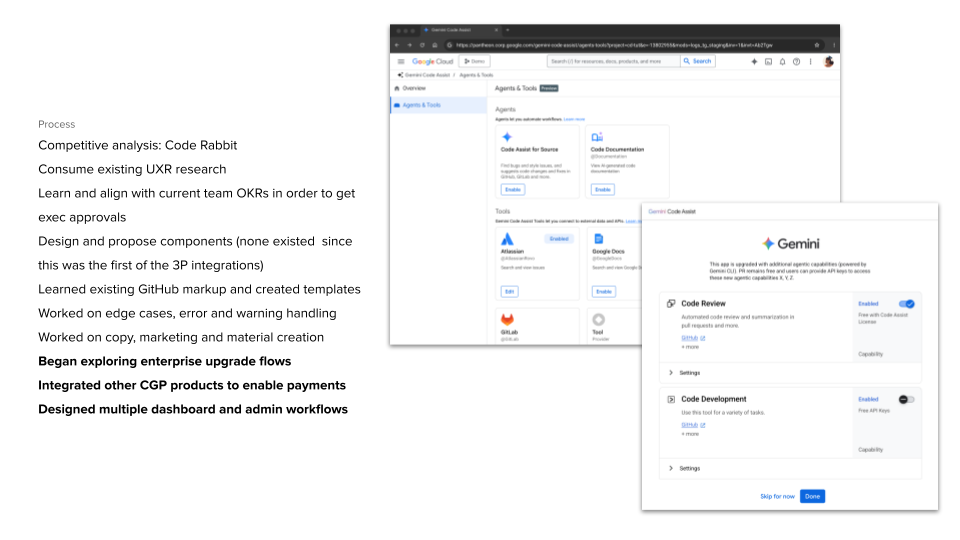
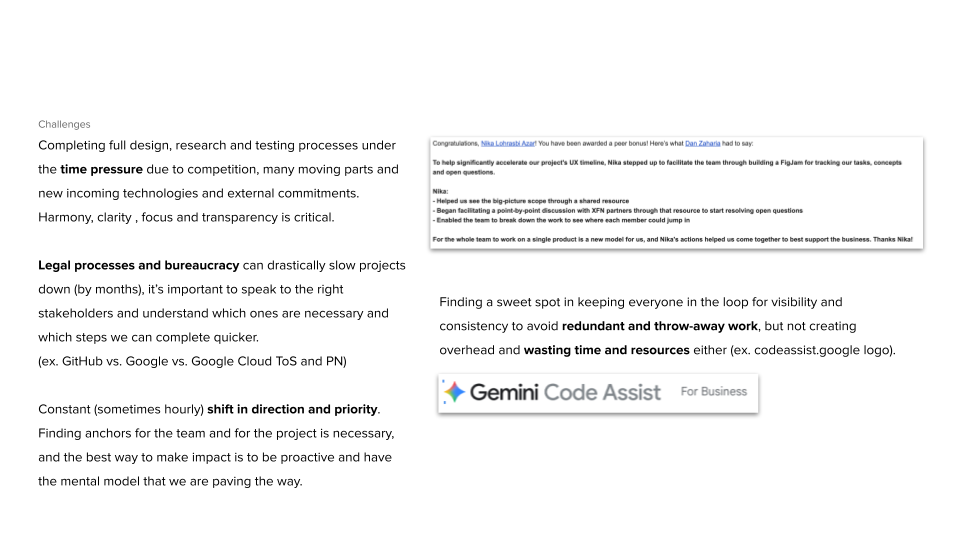
Gemini CLI (Command Line Interface) and gcloud
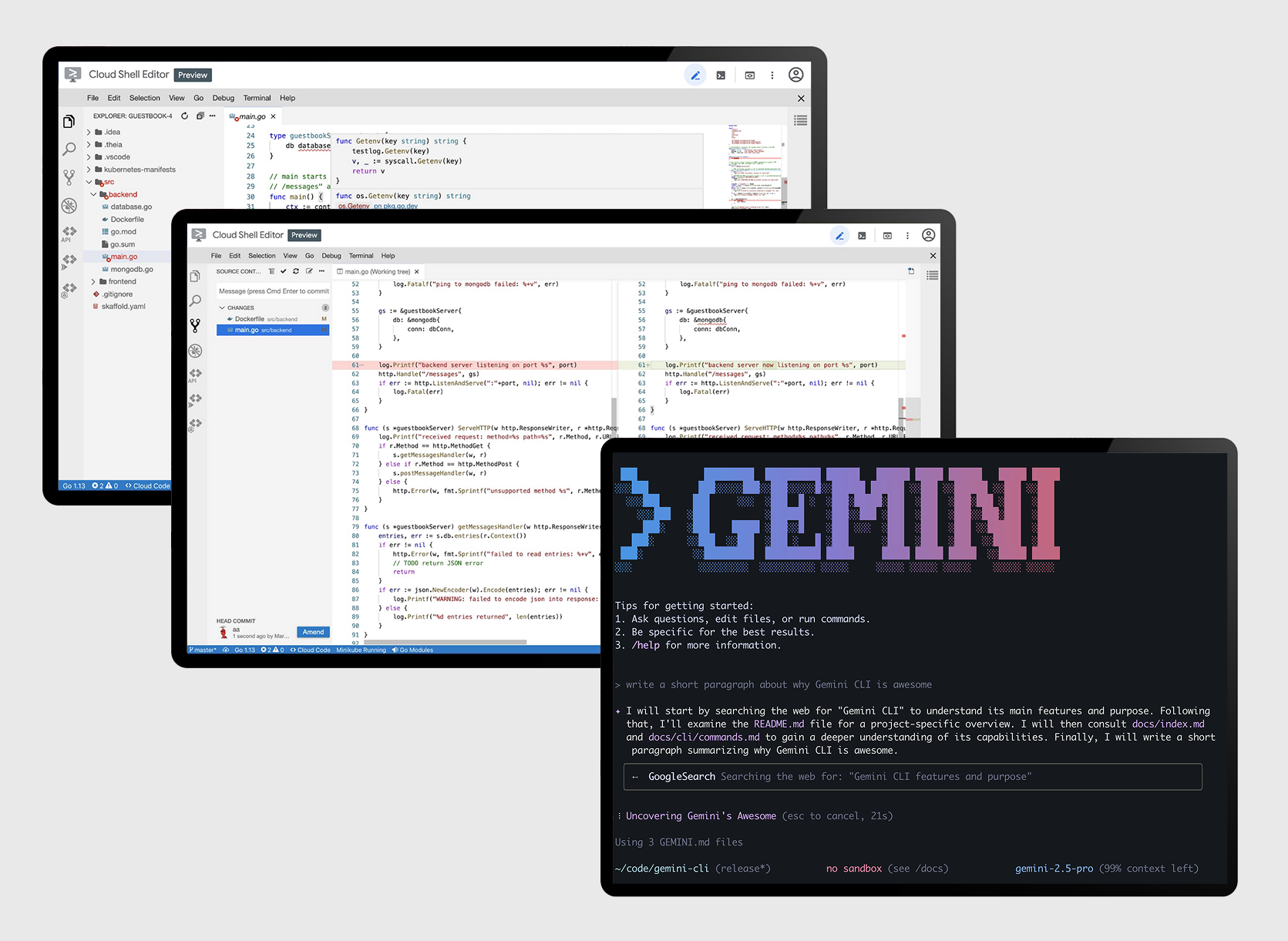
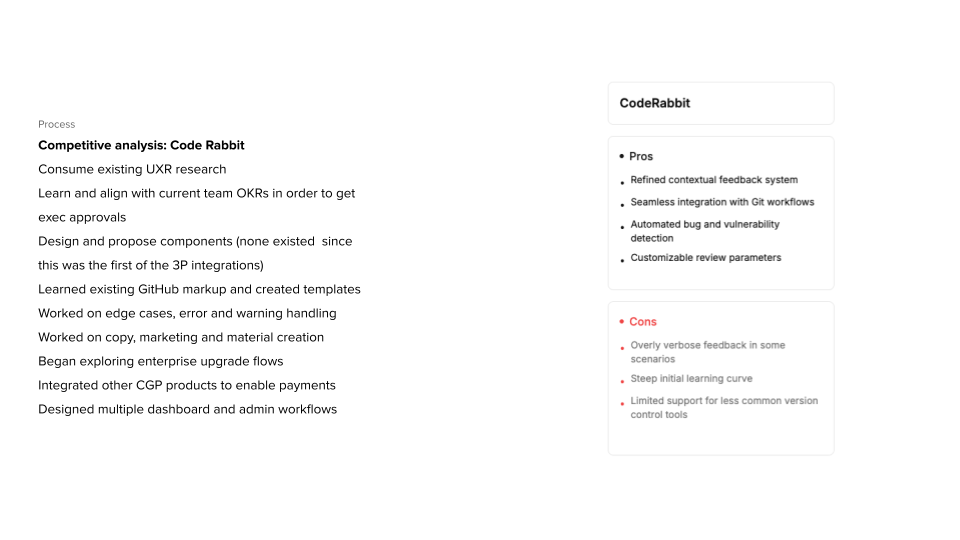
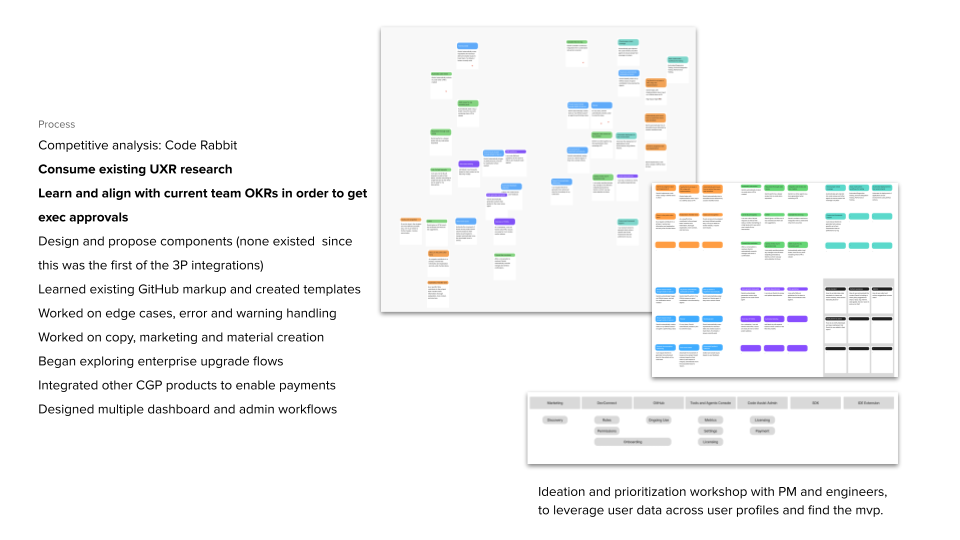
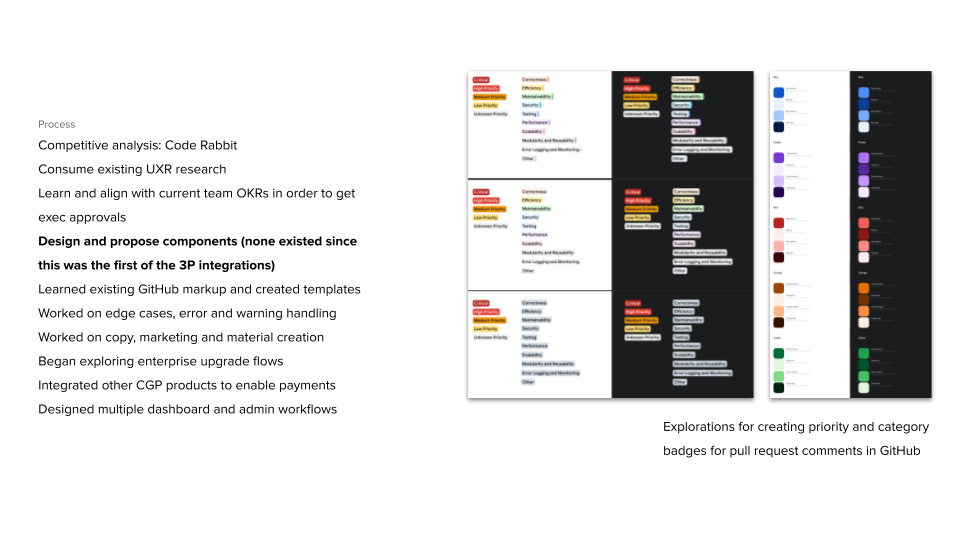
Acted as the primary subject matter expert for gcloud CLI and Gemini CLI feature integrations, bridging the gap between complex developer tools and user experience. I worked on projects such as auto-generating commands and unifying flags for gcloud commands, integrating Gemini CLI in third party interfaces such as GitHub and, enabling Gemini CLI for Cloud enterprise users, and accessibility efforts to ensure this text intensive interface can be used by more developers.
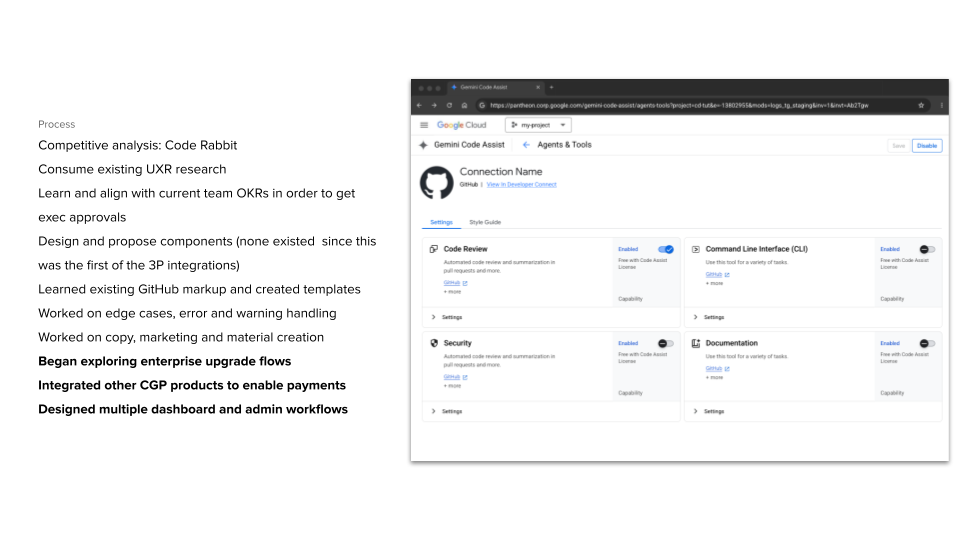
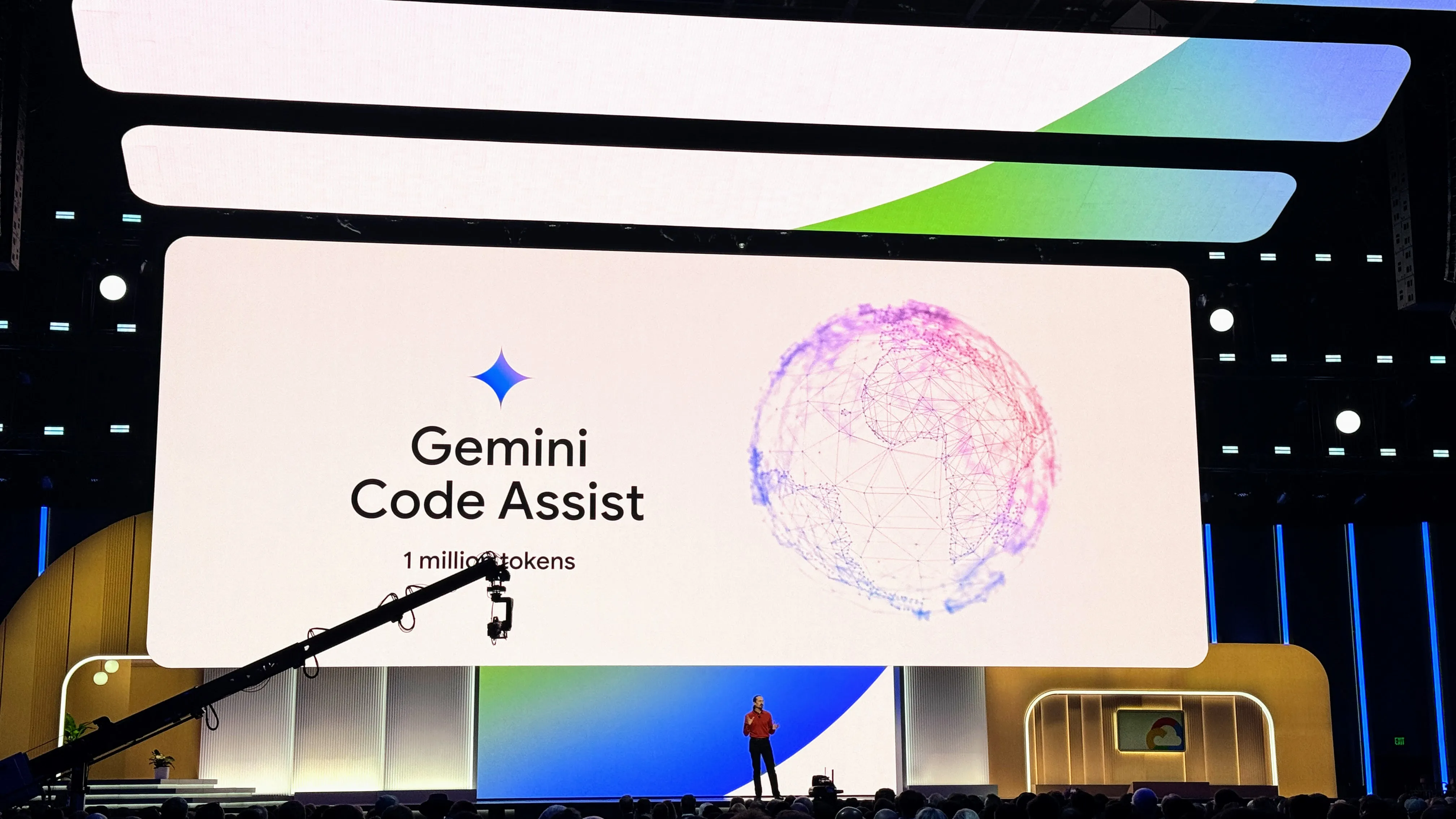
Gemini Code Assist Product Lead Growth Strategy and Design
As AI products and therefore agent workflows grow, there are more integrations across products and more 'invisible'
workflows such as multi-agent tasks information transferred agent to agent or via APIs. Horizontally spread products,
many way integrations and agent-human and agent-agent interactions being added to user workflows both enables and
demands us to steer away from the current 'make a product and then sell it' paradigm. It is more appropriate to now identify
the right moments of need in user workflows and introduce them new products or features.
I had the opportunity to lead the product-led growth (PLG) initiatives and onboarding strategies
for Gemini across IDE, web, and third-party ecosystems. Some goals for these initiatives were to personalize and
persist settings across products, unify sign ins and onboarding experiences, make sure the user is aware of other Gemini
products supporting users in other SDLC tasks and unify messaging and error handling.
Google Cloud DevOps Products
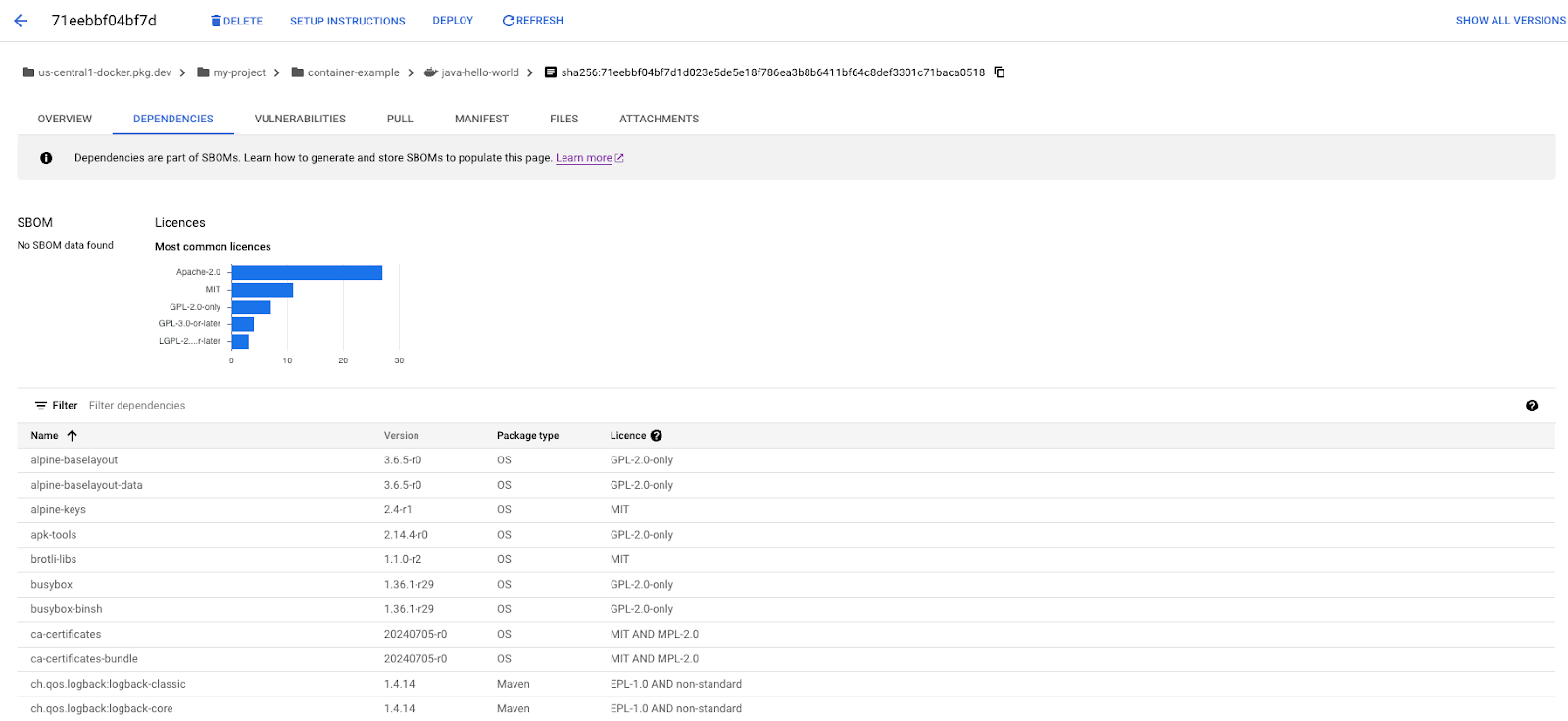
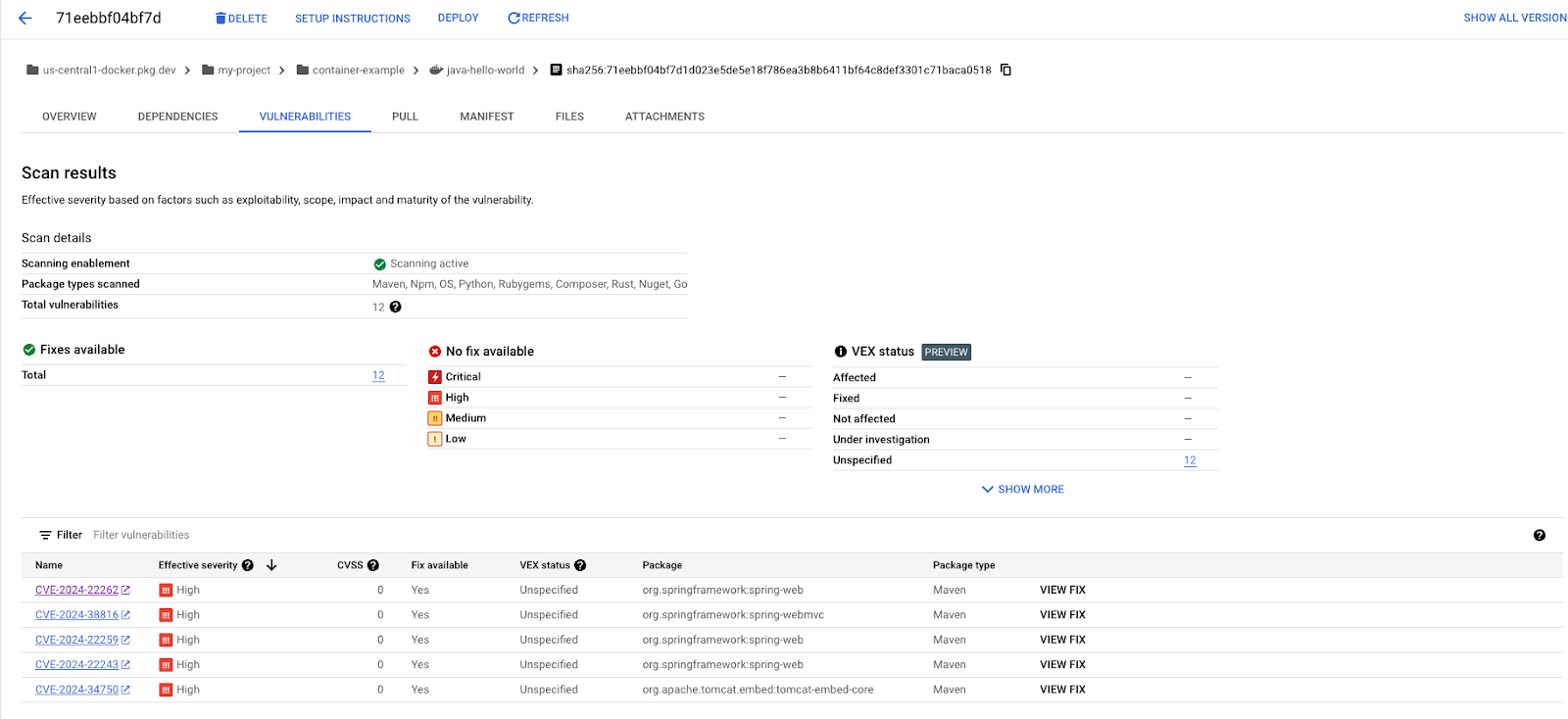
I served as the lead designer for Cloud DevOps products Artifact Registry, Artifact Analysis and later on onboarded
and owned some initiatives for Cloud Build and Cloud Deploy.
During my time on the team spent time with many engineering team members to create and improve collaboration processes
between design and engineering since this area hasn't had a dedicated UXD or UXR in the past. After many projects, retrospectives
and feedback from different disciplines we were able to establish a very positive and productive working relationship.
This included the way we document and track tasks, identifying when we need UX to get involved vs when I just need to sign things off.
We were able to address user feedback during a FixIt week where we included a Quant UXR, prioritized, logged and resolved many issues and requests
coming directly from users.
Later on when teams shifted focus to work more heavily on Gemini related initiatives, this working relationship was so strong and the
processes were so efficient that we were still able to support some new features, quickly address external escalations and commitments and all of that
with great offline communication and some adhoc short meetings.
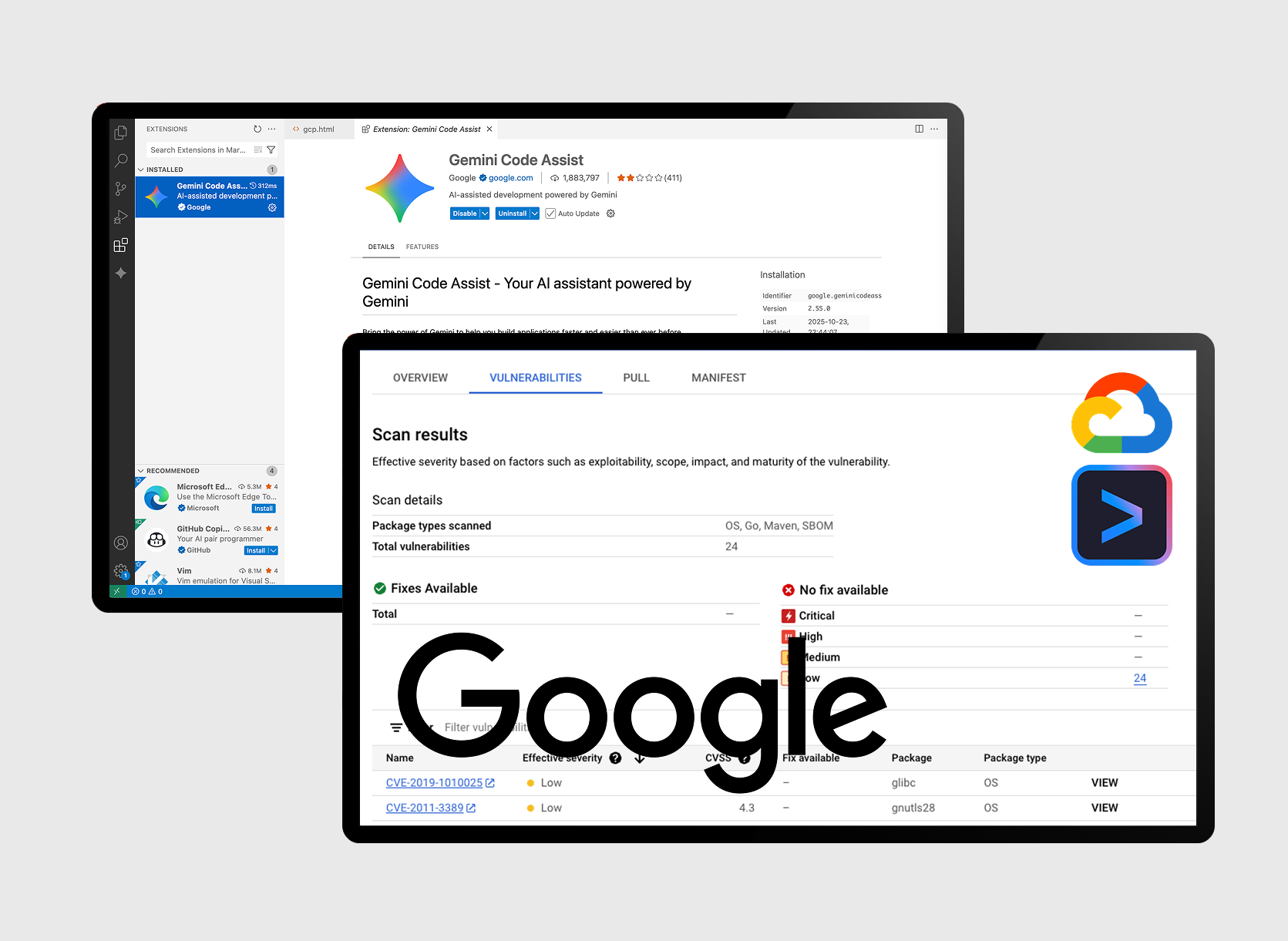
I have worked on many features for these products such as enabling many new repository and connection types, integration with GitLab and Snyk,
redesigning forms and visuals, enabling granular SBOM generation and repository scanning affordances, ways to visualize and tackle scanning results
on a high level and also in layers.
I have also made proposals on how we can better integrate with other products, ran studies to identify which interface users use to interact with these
products the most (commands vs GUI) to make sure we allocate our efforts to the right space, to improve information hierarchy and clarify information visualization, etc.
Coaching, interviews, sprints